About knitting material
Garmet industry categorizes knitting into three types:
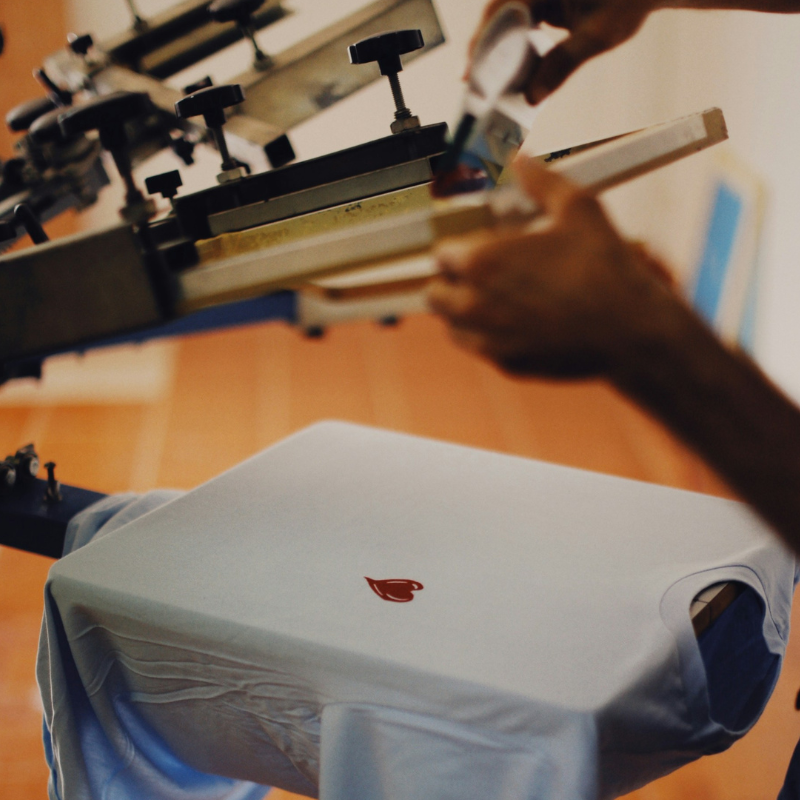
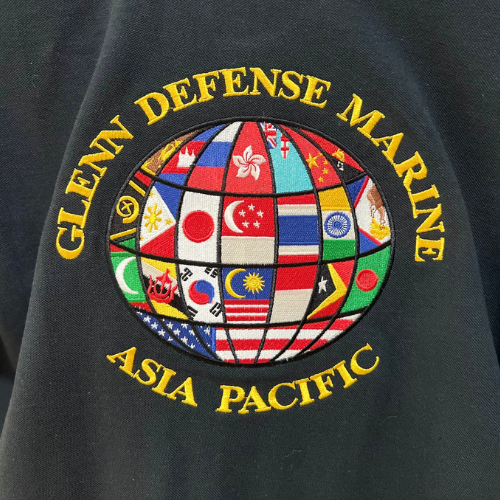
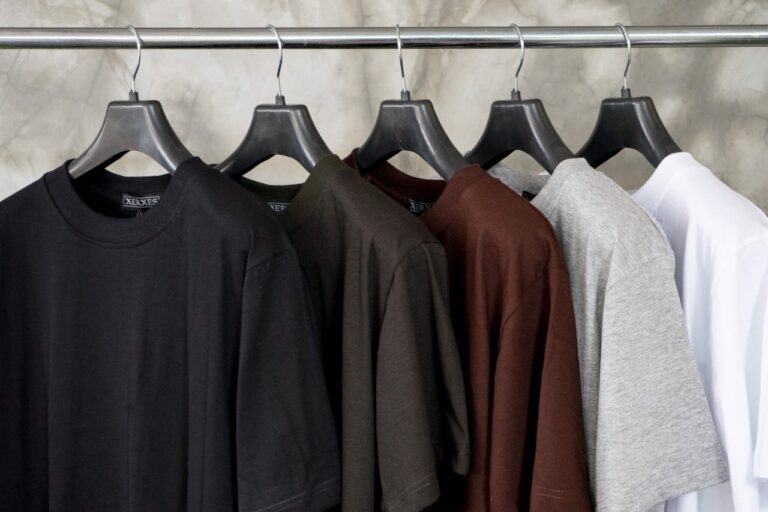
1. Single Jersey This is a single-sided knit fabric, meaning only one side is usable. It is suitable for crew neck t-shirts, polo shirts, and fashion t-shirts. Ideal for printing (screen printing) or embroidery.
2. Interlock Material This is a double-sided knit fabric where both the front and back sides can be used. It is suitable for children's clothing, tank tops, and can be printed or embroidered just like Single Jersey. However, Interlock has more stretch and flexibility than Single Jersey.
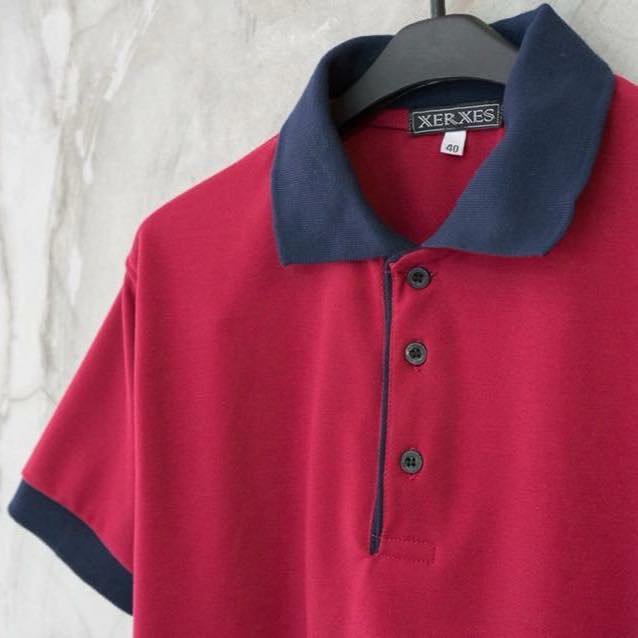
3. Patterned Knit Fabric This refers to fabric with woven patterns. Each factory may have different names for these patterns, such as Piqué, Lacoste, Diamond, or Water Drop, depending on their naming conventions.
There are many sizes and types of yarn, but yarns can generally be categorized into three main groups
1. 100% Cotton – Natural cotton yarn made entirely from natural fibers.
2. 100% Polyester – A synthetic fiber made from petroleum-based materials.
3. A mix of cotton and polyester in varying ratios, depending on the desired properties.
100% Cotton Yarn
The commonly sold sizes of 100% cotton yarn in Thailand include 20/1, 30/1, 32/1, and 40/1. The higher the number, the finer and thinner the yarn. For example, 32/1 yarn is finer and more delicate than 20/1 yarn. The appearance, cleanliness, and removal of impurities (or "neps") from the yarn also affect fabric quality. The more thoroughly the impurities are removed, the smoother, softer, and more refined the fabric will be when woven. However, the more processing the yarn undergoes, the higher the production cost. The level of impurity removal directly affects the quality and cost of the yarn.

1. OE Cotton This type of cotton yarn has not undergone impurity removal (cotton waste is not combed out). When knitted, the fabric will have visible lint and feel rough and coarse. However, it is still usable and has the lowest production cost. It is mostly dyed in white or light colors, as it is not suitable for dark dyes—dark colors tend to reveal uneven patterns on the fabric. Light and white shades dye more acceptably.
2. Cotton 100% This yarn type has undergone minor impurity removal. It still has some lint like OE cotton but can be dyed in darker colors. However, the texture remains somewhat rough, similar to OE. The cost is slightly higher than OE cotton.
3. Semi Comb Cotton 100% This yarn has undergone partial combing, with approximately 50% of lint removed. It results in a softer texture than Type 2 (basic cotton), and the dyeing quality is better across all color levels. The production cost is higher than basic cotton.
4. 100% Fully Comb Cotton This is a premium-grade cotton yarn where all impurities have been removed. The resulting fabric is smooth, soft, and lint-free. It remains soft and pleasant to wear even after multiple washes. Color dyeing is consistent and beautiful. However, it has the highest yarn cost, making the overall garment production cost the most expensive.
5. Mercerized fully Comb Cotton There are two different processing methods for this type of cotton, each resulting in different costs and different levels of durability and sheen on the yarn. The differences are as follows:
5.1 True Mercerization at the Yarn Stage This process involves taking 100% fully combed cotton yarn and further refining it by polishing and straightening the entire yarn strand. In the final stage, the yarn becomes smooth, even, and glossy. When woven, the resulting fabric is soft, shiny, and durable—the sheen lasts over time. This is considered the highest grade of yarn and also the most expensive. It is typically used only in very high-end products, often in fine yarn sizes, and is mainly exported to Japan.
5.2 Mercerization at the Fabric Stage This method involves taking fabric that has already been woven from 100% fully combed cotton and polishing it to add smoothness and shine during the final finishing (drying) stage. The resulting fabric will appear as glossy and beautiful as in method 5.1. However, after 2–3 washes, the fabric tends to return to its original matte state. The yarn cost is the same as in method 4 (100% Fully Comb), but there is an additional cost for dyeing and finishing to achieve the temporary shine.
Advantages of Using 100% Cotton Fabric
Because of the 100% cotton knit fabric made from natural fibers, it is suitable for people of all ages and genders—including infants and newborns. It is especially ideal for those with skin allergies, as the fabric is gentle and non-irritating to sensitive skin. Cotton fabric also offers excellent breathability, making it perfect for Thailand’s hot and humid climate. Additionally, cotton knit fabric has great absorbency, which makes it highly suitable for printing patterns. Printed colors tend to be vibrant and long-lasting—better than fabrics made from polyester-blend yarns.
Disadvantages of Cotton Fabric Production
The cost of producing cotton fabric is higher than other types of fabric. Cotton also tends to shrink after washing, and it is not suitable for tumble drying at high temperatures. It is recommended to air-dry cotton garments naturally to extend their lifespan. Ironing can help smooth out fibers and remove fuzz, making the fabric appear neat and refined after pressing.
How to Prevent Cotton Fabric Shrinkage
At Green Growth Enterprise, we recognize the common issue of cotton fabric shrinkage after washing. To address this, Green Growth Enterprise selects high-quality fabrics as the core of its production—using 100% Fully Combed Cotton in yarn sizes 20/1, 30/1, and 32/1. Additionally, we apply the Compact process twice during the final dyeing stage before the fabric is used to produce garments. In the second Compact stage, beyond the natural fabric release, a fine mist of steam is sprayed into every fiber of the fabric, encouraging the yarn to shrink further compared to the first Compact process. As a result, the fabric becomes softer, thicker, and heavier, with a naturally smooth surface—without forced flattening or artificial polishing. This significantly reduces shrinkage beyond the normal industry standard. When customers wear the garments, they experience minimal shrinkage and increased flexibility, making the clothing more comfortable to wear even after washing.
Care Instructions for Garments Made from 100% Cotton
Use low-speed spin cycles when washing. Air-dry the garments naturally. Iron after the garments are fully dry. Do not wash in hot water. Do not spin at high speed. Do not tumble dry with high heat, as this may cause uncontrollable shrinkage and distort the shape of the garment—regardless of how thoroughly the cotton has undergone finishing or anti-shrink treatments.
100% Polyester

Due to global warming, cotton farming has declined, increasing the use of petroleum-based synthetic fibers like 100% polyester. Polyester garments hold their shape and don’t shrink but may pill after a few washes and can look shiny when ironed. It doesn’t absorb moisture well, making it feel hot, though it’s cheaper than cotton. Printing on polyester is less vibrant unless using sublimation or DTF methods. Polyester is not ideal for sensitive or allergic skin because it can cause irritation and poor breathability.
Because of these drawbacks, an evolution has occurred in yarn production: the development of Micro Polyester, which has a much finer and smaller fiber size and improved sweat absorption and quick-drying properties. Micro Polyester yarns commonly have a size of 75/72 and are often used for sportswear. Most printing on Micro Polyester is done by sublimation. Despite improvements in moisture-wicking and drying speed, Micro Polyester still cannot match the comfort of 100% cotton, so it is not recommended for people with allergies. Another downside is that polyester fibers are highly flammable and produce toxic black smoke when burned, which harms air quality and the environment. This is because polyester fibers are petroleum-based, similar to burning thin plastic.
Considering the pros and cons of cotton and polyester yarns, a hybrid yarn combining both fibers has evolved—the cotton-polyester blend fabric—to leverage the advantages of both materials.
CVC
Blend with cotton > polyester
Holds shape well
Shrinks less than 100% cotton
Can be ironed at medium heat
Moderate sweat absorption
More comfortable than TC
Fabric cost similar to or higher than 100% cotton
Due to higher dyeing cost for separate poly and cotton
Silk screen printing looks better than TC but not as good as 100% cotton
TC
Blend with cotton < polyester
Maintains shape well
Minimal shrinkage
Cannot be ironed; ironing causes shiny spots
Low sweat absorption
Feels hotter than CVC
Fabric cost cheaper than CVC
Due to higher poly content than cotton
Silk screen prints look less smooth
Even with the same printing process
TC
Blend with cotton < polyester
Maintains shape well
Minimal shrinkage
Cannot be ironed; ironing causes shiny spots
Low sweat absorption
Feels hotter than CVC
Fabric cost cheaper than CVC
Due to higher poly content than cotton
Silk screen prints look less smooth
Even with the same printing process
After blending cotton and polyester yarns, the next development combined high-quality fibers into a fabric called DRY TECH. This fabric is made by weaving 100% fully combed cotton 32/1 with 100% micro polyester, resulting in excellent sweat absorption, quick drying, and the comfort of cotton close to the skin while maintaining the garment’s shape. Because DRY TECH requires jacquard weaving machines, production is slower and more costly, making the fabric expensive. It is popular for polo shirts. Later, many mills switched from 100% fully combed cotton to semi-combed cotton or regular cotton, and some blended CVC or TC yarns with micro polyester to reduce costs.
However, Green Growth Enterprise does not recommend blending TC with micro polyester, as the fabric feels just as hot as TK but costs more.
Getting to Know Printing Methods
In the textile industry, printing is generally divided into two main types:
1. Manual printing – SILKSCREEN
2. Machine printing
When choosing a printing technique, factors to consider include the material, fabric type, fabric color, the complexity of the design (3D or simple), the quantity of items to print, and the cost.
At Green Growth, we offer various printing techniques such as rubber printing, plastisol printing (like Hyden), sublimation printing, DTF (Direct to Film), and water-based screen printing on fabrics that can withstand hot ironing without color fading—these imported colors come from Japan and are priced higher than normal.
For small orders with many colors, DTF printing with a machine is recommended, as it is more cost-effective. However, if printing only one color block, it’s important to weigh the quantity against the cost of printing and the printing block fees to find the most economical option. Green Growth advises that for orders under 500 pieces, printing block costs must be carefully calculated when estimating production costs.